How to Tell If Salmon Is Bad: Easy Signs to Spot Spoiled Fish
If you have ever wondered how to tell if salmon is bad, you are definitely not alone. Salmon is one of the most popular fish choices worldwide because it is delicious, versatile, and packed with nutrients like omega-3 fatty acids and protein. But, like all seafood, salmon has a limited shelf life and spoils quickly if not stored properly. Eating spoiled salmon can lead to food poisoning, unpleasant tastes, and serious health risks. That is why knowing the telltale signs of bad salmon is essential. With the right knowledge, you can confidently determine if your salmon is still safe to eat or if it should be discarded before it makes you sick.
Why It’s Important to Check Salmon Freshness
Salmon, whether raw or cooked, is highly perishable. Unlike some other proteins, fish spoils faster because of its natural composition and the way it is stored. Once salmon goes bad, harmful bacteria like Salmonella or Listeria can multiply, increasing the risk of foodborne illness. Symptoms of eating spoiled salmon can include nausea, vomiting, diarrhea, stomach cramps, fever, and even more severe conditions in vulnerable individuals.
The shelf life of salmon depends largely on how it is stored. Fresh, raw salmon typically lasts one to two days in the refrigerator if stored properly. Cooked salmon lasts a little longer, about three to four days in the fridge. Frozen salmon, on the other hand, can last for several months, but even then it should be properly wrapped and stored at a consistent temperature to maintain quality.
Checking the freshness of salmon is not just about preventing food poisoning. Fresh salmon tastes better, has a firm texture, and cooks beautifully. Spoiled salmon, by contrast, will ruin your recipe with unpleasant flavors and textures, even if it does not make you sick. For both safety and taste, it is crucial to know how to identify bad salmon before you cook or eat it.
Signs Raw Salmon Has Gone Bad
Raw salmon is especially prone to spoiling because it contains natural oils that oxidize quickly. When assessing raw salmon, pay close attention to your senses—sight, smell, and touch are the most reliable tools you have.
Smell
One of the easiest ways to tell if raw salmon has gone bad is by its smell. Fresh salmon should have a mild scent that is often described as slightly briny or ocean-like, similar to the smell of clean seawater. It should never smell strong or offensive. If you detect a sour, rancid, or ammonia-like odor, that is a clear sign the salmon is spoiled and should not be eaten. Trust your nose—if it smells wrong, it probably is.
Color
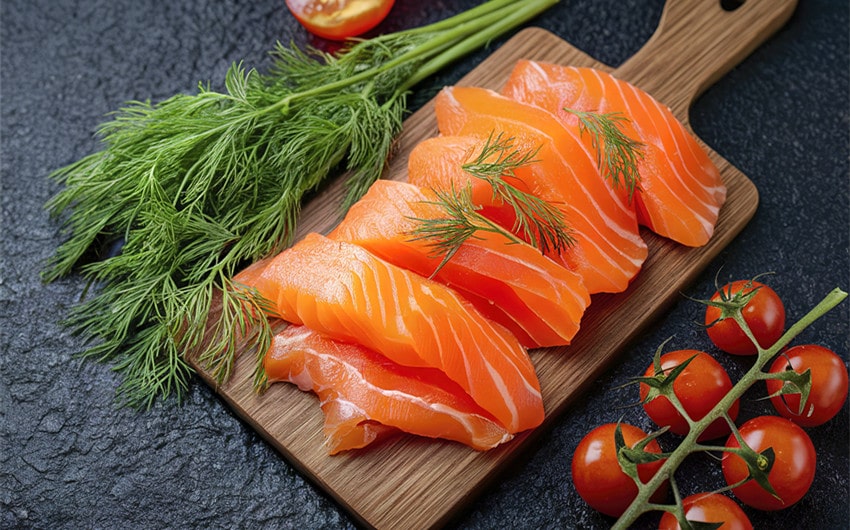
Fresh salmon fillets are typically vibrant in color, ranging from deep orange to bright pink, depending on the species. The flesh should appear moist, glossy, and consistent in color. If the salmon starts to look dull, pale, or grayish, it is a warning sign of spoilage. Dark spots or discoloration are also red flags. In some cases, spoiled salmon may even develop a milky or slimy residue on the surface, indicating bacterial growth.
Texture
When you touch fresh salmon, it should feel firm and slightly springy. If you press lightly on the flesh, it should bounce back quickly. Spoiled salmon, however, feels slimy, sticky, or mushy. If the texture feels off and the fillet does not hold its shape, it is a strong sign that the fish is no longer fresh. Sliminess, in particular, is one of the most reliable indicators of spoilage because it means bacteria are thriving on the surface.
Packaging
If you purchased salmon from a store, the condition of the packaging can also reveal a lot. Properly sealed vacuum packs should be tight with no leaks. If the package looks puffed up or bulging, that often indicates the presence of gas released by bacteria, which means the salmon inside has gone bad. Broken seals or damaged packaging should also make you cautious, as they allow bacteria to enter and spoil the fish.
Signs Cooked Salmon Has Gone Bad
Cooked salmon has a slightly longer shelf life than raw salmon, but it too can spoil quickly if not stored properly. Knowing how to recognize the signs of bad cooked salmon is just as important.
Odor
Similar to raw salmon, cooked salmon should not smell bad. It should carry the aroma of the seasoning and cooking method used, such as herbs, lemon, or grilling. If your cooked salmon smells sour, rancid, or has an unpleasant fishy odor, it is no longer safe to eat.
Appearance
Cooked salmon that has gone bad may change in appearance. The flesh might dry out, look chalky, or develop a discolored surface. If you see mold spots—usually fuzzy patches in green, white, or black—it is a clear sign the salmon should be discarded immediately. Freshly cooked salmon should still look moist, flaky, and appetizing, not dull or suspiciously altered.
Taste
If you are unsure and take a small bite, spoiled cooked salmon will taste off. It may have a sour, bitter, or unusually strong fishy flavor that is unpleasant. If this happens, do not continue eating; spit it out and throw the salmon away.
Storage Time
Even if cooked salmon appears fine, it is important to consider how long it has been in the refrigerator. Generally, cooked salmon should be eaten within three to four days of preparation if stored properly in an airtight container. If you cannot remember when you cooked it or it has been longer than four days, it is safest to discard it.
How to Store Salmon to Keep It Fresh Longer
Proper storage is the key to extending the life of your salmon and maintaining its quality. Whether raw or cooked, following food safety guidelines will help you keep salmon fresh and safe to eat.
Storing Raw Salmon
Raw salmon should be stored in the refrigerator at a temperature of 40°F (4°C) or below. Ideally, keep it in the coldest part of the fridge, not on the door where temperatures fluctuate. If you plan to eat it within one to two days, you can keep it in its original packaging. For longer storage, freeze it. Wrap the salmon tightly in plastic wrap or foil and place it in a freezer bag to prevent freezer burn. Vacuum sealing is the best option if you want to preserve freshness for months. Frozen salmon maintains its best quality for two to three months but is safe to eat indefinitely if kept at 0°F (-18°C).
Storing Cooked Salmon
Cooked salmon should be stored in airtight containers in the refrigerator, also at 40°F (4°C) or below. Consume within three to four days. If you want to store it longer, freeze it in an airtight container or freezer bag. Cooked salmon can last two to three months in the freezer, though texture may change slightly upon thawing.
Tips for Handling Salmon Safely
Always handle salmon with clean hands and utensils to avoid cross-contamination. Do not leave raw or cooked salmon sitting at room temperature for more than two hours, or one hour if the temperature is above 90°F (32°C). If you thaw frozen salmon, do so in the refrigerator overnight rather than leaving it out on the counter. These steps significantly reduce the risk of spoilage and foodborne illness.