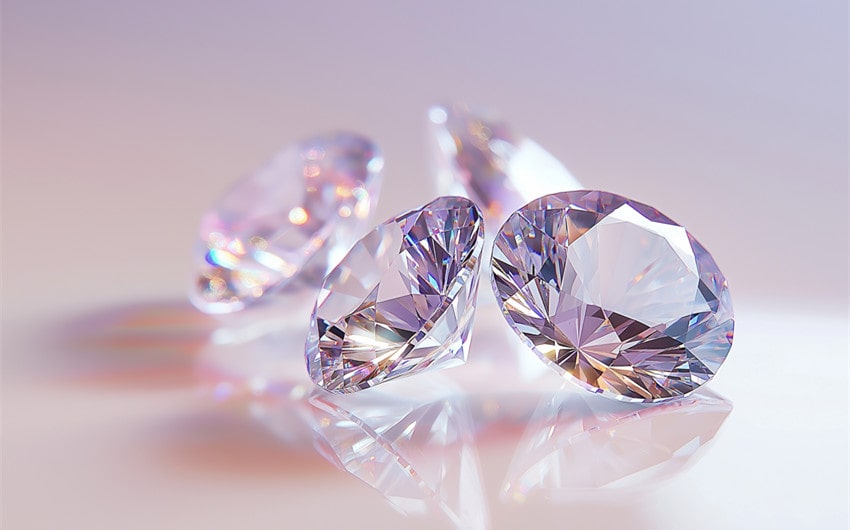
How to Tell If a Diamond Is Real: Easy Tests and Expert Tips
If you have ever wondered how to tell if a diamond is real, you are not alone. Diamonds are one of the most valuable and sought-after gemstones in the world, symbolizing love, luxury, and permanence. But because of their popularity and price, they are also among the most imitated. From cubic zirconia to moissanite, synthetic stones and imitations can look deceptively similar to the untrained eye. That is why knowing how to check whether your diamond is genuine is such an important skill, whether you have just received an engagement ring, inherited a family heirloom, or purchased a piece of jewelry for yourself. The good news is that there are both simple at-home methods and reliable professional tests you can use to determine authenticity, and by the end of this guide you will understand the key ways to spot a real diamond.
Why It’s Important to Verify a Diamond
Diamonds are a major investment. For many people, they are not just gemstones but cherished symbols of commitment or milestones in life. Because of their emotional and financial value, the idea of discovering that a diamond is fake can feel devastating. That is why being able to verify whether a diamond is real is crucial.
There are also practical reasons for learning how to tell if a diamond is real. Counterfeits and simulants have flooded the market, some made of glass or crystal, and others cut from man-made materials designed to closely mimic a diamond’s sparkle. While there is nothing wrong with wearing simulants if that is what you intend to buy, it becomes a problem when you unknowingly pay diamond prices for a substitute.
Another reason to be cautious is peace of mind. If you inherit a ring or piece of jewelry, you want to know its true value, whether for sentimental reasons, insurance purposes, or resale. And even though lab-grown diamonds are now available and often sold openly as alternatives, being able to distinguish a natural or lab-created diamond from a low-cost fake gives you clarity about what you own.
At-Home Tests You Can Try
When learning how to tell if a diamond is real, the easiest place to start is with simple, safe tests you can perform at home. While these tests are not 100% foolproof, they are quick and can give you a good indication of whether your stone is genuine.
The Fog Test
The fog test is one of the simplest ways to evaluate a diamond. Hold the stone close to your mouth and gently breathe on it as if you were fogging up a mirror. A real diamond will disperse the moisture almost immediately, leaving the surface clear within a second or two. A fake diamond, like cubic zirconia or glass, will hold the condensation for longer, staying fogged up for several seconds.
The reason this test works is that diamonds are excellent conductors of heat. They disperse warmth quickly, so the fog from your breath disappears almost instantly. Simulants do not conduct heat in the same way, so the fog lingers.
The Water Test
Another simple test is the water test. Fill a glass with water and gently drop the stone into it. A real diamond has a high density and will sink straight to the bottom. Fake diamonds like glass or quartz often float near the surface or sink more slowly because they are less dense.
While the water test can be useful, it is not always definitive because some simulants may also sink. However, when combined with other methods, it provides a good indicator.
The Scratch Test
The scratch test is a more traditional method, though it requires caution. Diamonds are the hardest natural material on earth, ranking at the top of the Mohs hardness scale. This means that a diamond can scratch almost any other surface, including glass or metal, without being damaged itself.
If you gently scratch a piece of glass with your diamond and it leaves a mark without scratching the diamond, that is a sign it is genuine. However, because you risk damaging the stone or the setting, most jewelers recommend avoiding this test unless you are very careful. It is also worth noting that some simulants like moissanite are also very hard, so this test alone should not be relied upon.
The Transparency Test
The transparency test is another easy way to evaluate a diamond. Place the stone flat side down on a newspaper or a printed page. If you can read the text through the stone or see the letters clearly, the diamond is likely fake. Real diamonds refract light strongly, so you should not be able to see through them easily. Instead, the text will appear blurry or distorted.
This test is less effective on stones with small cuts or mounted settings, but it can still provide useful information when checking loose diamonds.
The Sparkle Test
One of the defining characteristics of a real diamond is its sparkle. Diamonds reflect light in a unique way, producing both white light (brilliance) and rainbow-colored flashes (fire). Hold the stone up to the light and observe how it sparkles. A real diamond will display sharp, bright reflections that are both white and rainbow-like. Simulants often reflect light differently, appearing too colorful, too dull, or lacking depth.
The sparkle test requires a bit of practice and a good eye, but once you have seen a real diamond, it is easier to spot the difference.
Using Tools for More Accuracy
At-home tests are helpful, but if you want more confidence in your evaluation, you can use simple tools designed for gem inspection. These methods are more reliable than DIY tests and give you a closer look at the stone.
Loupe Inspection
A jeweler’s loupe is a small magnification tool that allows you to examine a diamond closely. With a loupe, you can look for natural imperfections called inclusions or flaws inside the stone. Most real diamonds have tiny marks from their formation, while simulants like cubic zirconia are usually flawless. If you see a perfectly clear stone with no internal characteristics at all, it may be synthetic.
You can also inspect the edges of the diamond. Real diamonds usually have sharp, crisp edges, while fake stones may look rounded or worn.
UV Light Test
Some diamonds fluoresce under ultraviolet light, giving off a faint blue glow. While not all diamonds display this characteristic, many do, and it can be a helpful indicator. If your stone glows under UV light, there is a good chance it is real. However, the absence of fluorescence does not mean it is fake, as this varies among natural diamonds.
Heat Test
Diamonds are incredibly resistant to heat. To perform a heat test, heat the stone with a lighter for about 30 seconds and then drop it into cold water. A real diamond will not be affected, while fake diamonds made of weaker materials like glass may shatter due to the sudden temperature change. This test should be done with extreme caution to avoid damaging your jewelry setting or burning yourself, and it is not recommended for valuable pieces unless performed by a professional.
Professional Methods to Confirm Authenticity
If you want certainty, professional evaluation is the best way to determine if a diamond is real. Jewelers and gemologists use specialized tools and years of training to identify authentic stones with accuracy.
Jeweler’s Evaluation
A trusted jeweler can often confirm a diamond’s authenticity by examining it with tools like loupes, microscopes, and refractometers. They know the telltale signs of a real diamond and can usually provide an answer quickly.
Diamond Tester Devices
Diamond testers are handheld devices that measure a stone’s thermal or electrical conductivity. Since diamonds conduct heat and electricity differently than most simulants, these testers are highly effective. Many jewelers use them for quick verification, and some consumers purchase them for personal use.
Certification Labs
For the highest level of certainty, you can send your stone to a certification lab such as the Gemological Institute of America (GIA) or the American Gem Society (AGS). These organizations provide detailed reports that include not only authenticity but also grading of the diamond’s cut, color, clarity, and carat weight. A certified diamond has documented proof of its quality and authenticity, giving you peace of mind and protection for insurance or resale.
Common Diamond Simulants and How to Spot Them
Understanding the most common diamond substitutes can also help you when learning how to tell if a diamond is real. While some simulants are convincing, they all have distinct differences.
Cubic Zirconia
Cubic zirconia is one of the most common diamond look-alikes. It is affordable and visually appealing but lacks the brilliance and fire of a real diamond. Under light, cubic zirconia often looks too perfect and gives off a rainbow-like sparkle without the sharp white brilliance of a diamond. It is also much softer and lighter than a real diamond.
Moissanite
Moissanite is another popular alternative that is harder than cubic zirconia and looks much closer to a diamond. However, it reflects light differently, producing more rainbow flashes than a diamond. While moissanite can fool the untrained eye, jewelers can usually distinguish it easily with the right tools.
Glass
Glass is sometimes used to imitate diamonds in costume jewelry. It is lighter, scratches easily, and lacks the sharp brilliance of a real diamond. If you suspect your stone may be glass, simple tests like the scratch test or loupe inspection will quickly reveal the difference.