Is Luke Macfarlane Gay? A Look at His Life and Identity
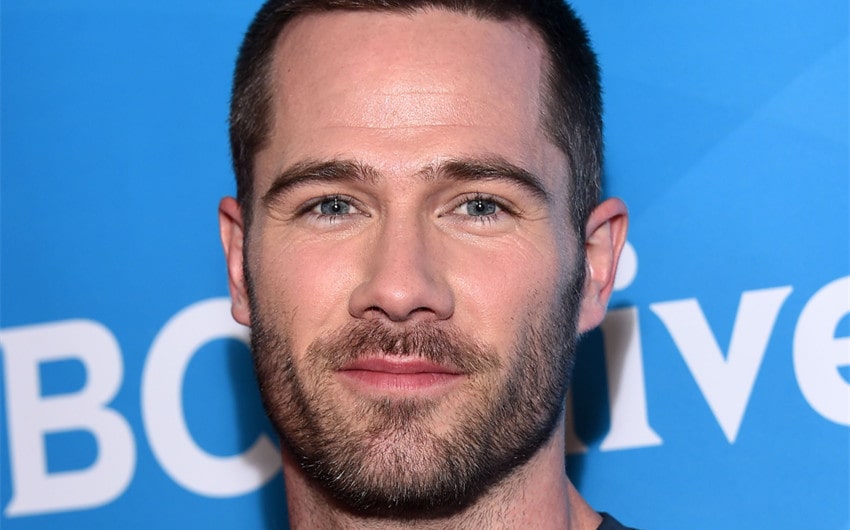
You might’ve seen the question pop up across the internet: is Luke Macfarlane gay? It’s a common inquiry, especially as his face has become a familiar one on Hallmark movie posters and, more recently, in the mainstream LGBTQ+ romantic comedy Bros. The short answer is yes—Luke Macfarlane is openly gay and has been for years. But his story isn’t just about coming out. It’s about navigating an industry full of assumptions, embracing identity with quiet strength, and proving that being honest doesn’t mean sacrificing success. In this article, you’ll learn how he’s managed to stay grounded and open in a world that often turns personal truths into public spectacle.
Who Is Luke Macfarlane? A Quick Career Overview
Before the public interest in his personal life, Luke Macfarlane was already building a solid and respected acting career. Born in London, Ontario, in 1980, he studied drama at Juilliard and began landing roles in both television and theater not long after. His breakout came in the mid-2000s, when he played Scotty Wandell on the ABC drama Brothers & Sisters. Scotty wasn’t just a side character—he was an openly gay man in a committed relationship with one of the main characters, and their romance became one of the show’s emotional backbones.
The role was groundbreaking at the time, especially on network television. While Macfarlane had not yet publicly come out, he was already portraying gay characters with sincerity and depth, which added to the speculation around his own identity. And yet, his performance stood on its own—warm, grounded, and human—without leaning into stereotypes or easy labels.
Beyond Brothers & Sisters, Macfarlane became a staple of Hallmark Channel original movies. From The Memory Book to A Valentine’s Match, he starred as the romantic lead in more than a dozen films, nearly always opposite a female co-star. His charm, sincerity, and ease on screen made him a fan favorite, even as the question of his personal life lingered off-camera.
Then came Bros in 2022, a landmark film for both Macfarlane and the broader movie industry. Written by and starring Billy Eichner, Bros was one of the first major studio-backed LGBTQ+ rom-coms with an entirely queer principal cast. Macfarlane’s role as Aaron—reserved, serious, emotionally complex—showed a different side of his acting ability. It was a role that drew directly from his own experiences as a gay man and allowed him to bring his full self to the screen in a new way.
When Did Luke Macfarlane Come Out as Gay?
Luke Macfarlane publicly came out in 2008 during an interview with The Globe and Mail, a major Canadian newspaper. It wasn’t a sensational announcement. There were no magazine covers or press conferences. Instead, it was a thoughtful conversation where he acknowledged the importance of living authentically, both personally and professionally.
At the time, coming out as gay in Hollywood still carried risks—especially for actors frequently cast as romantic leads. While there were growing conversations around LGBTQ+ inclusion, many actors stayed closeted for fear of losing roles, endorsements, or audience acceptance. Macfarlane’s choice to come out wasn’t just personal—it was quietly courageous.
He explained in the interview that he hoped to be honest, not only for himself but for those watching. His decision wasn’t about grabbing headlines or making a statement—it was about aligning his public life with his private truth. Fans and LGBTQ+ communities responded with support, recognizing the value of seeing someone like him—talented, grounded, and successful—owning his identity without apology.
Though his coming out didn’t stop speculation or public curiosity, it changed the nature of the conversation. He no longer had to sidestep questions or dodge assumptions. He could simply live—and act—without hiding.
How Luke Macfarlane’s Identity Has Shaped His Roles
One of the most interesting aspects of Luke Macfarlane’s career is how being openly gay hasn’t confined him to one kind of role. In fact, for many years, he primarily played straight romantic leads—especially in the Hallmark universe, where wholesome, heterosexual love stories are the network’s bread and butter.
That duality sparked conversations. Could an openly gay actor believably portray a straight romance? Would audiences still connect with the characters? Macfarlane’s continued success answered those questions clearly. Yes, he could—and yes, they did.
His work proved that acting is about authenticity, not orientation. When he played straight roles, he brought emotional depth and chemistry. When he played gay roles, as in Bros, he brought that same commitment—but with added personal resonance. That performance, in particular, let him explore themes of vulnerability, fear of intimacy, and identity in ways that reflected real-life experiences.
In interviews, Macfarlane has spoken about how meaningful it was to play a romantic lead in Bros as a gay man. He knew what it meant, both to him and to the industry. It wasn’t just another gig—it was a chance to represent stories that had been sidelined for too long, and to do it on a major stage with his full self visible.
Representation, Privacy, and What He Shares Today
Although Luke Macfarlane has been out for years, he’s never become a celebrity who shares everything. His social media presence is quiet. He rarely discusses his dating life in public. That boundary between professional openness and personal privacy is one he navigates carefully.
He’s talked in interviews about the pressure to be more “open” simply because he’s gay and out—but he also recognizes that you can be visible without being on display. His balance between sharing and protecting parts of his life models a kind of representation that feels sustainable and self-respecting.
At the same time, he hasn’t shied away from talking about the bigger picture. He’s spoken about masculinity, the challenges of dating, and what it means to be romantic in a world that sometimes treats feelings like weaknesses. In Bros, he even drew from his own experience with guardedness and the tendency to downplay emotional needs—a performance that resonated with many viewers who saw themselves reflected in the character’s quiet armor.
By choosing what to reveal and what to hold close, Macfarlane has crafted a public presence that feels grounded. He’s not performing his identity—he’s simply living it. That might be the most powerful kind of representation there is.